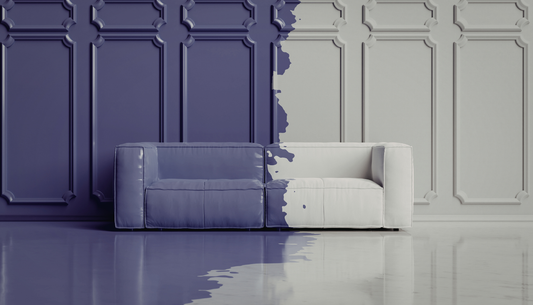
Which sofa configuration actually makes a small room look bigger?
In a small living room, the sofa can either open the space up or make it feel tight. A bulky frame can block views, add shadow, and weigh heavily. This is why the best small living room sofa ideas focus on what you see from the doorway and main seat.

Good news is, space-saving sofas don't mean less comfort. The right layout keeps walkways clear and zones connected. This works well in apartments, studios, and open-plan homes, where visual flow is key.
A low-profile sofa is a good starting point. It makes the room feel wider and calmer. Add raised legs and slim arms for a design that doesn't overwhelm the space.
In Australia, Zoven focuses on long-term performance over quick trends. They build sofas in Sydney, tuning them for compact layouts. A few centimetres can make a big difference.
Key takeaways
- Bulky sofas can make a small room feel cramped by blocking sightlines and adding visual weight.
- Space-saving sofa configurations work best when they protect clear views across the room.
- Low-profile sofas can make spaces feel bigger by lowering the visual horizon line.
- Functional design features like raised legs and slim arms reduce how heavy a sofa looks.
- Refined silhouettes often suit apartments, studios, and open-plan layouts where flow matters.
- Zoven’s Sydney-made, maker-first approach helps fine-tune sofa proportions for real spaces.
What makes a small room look bigger: sightlines, visual weight and the “low-profile” effect
In a small living room, the sofa is key. A heavy shape can make the room feel smaller. A sofa that's compact and fits well in your line of sight is the secret.
Designers use three main tips: show more wall above the sofa, keep lines clean, and reduce bulk. These help create a calm, minimalist look without losing comfort.

Why bulky sofas make small living rooms feel cramped
Big arms, tall backs, and deep frames can make a room feel like it has a wall in the middle. This stops your eye quickly, making the room seem shorter. Even if it's small, a big sofa can take over the view.
Big pieces also hide the floor and block light. This makes the room darker and more cramped, worse if the sofa blocks the wall behind it.
How a low-profile sofa lowers the visual horizon line
A low-profile sofa has a lower back, seat, and overall height. It has a sleek shape that hugs the ground. The backrest is often below shoulder level, keeping the wall above in view. This makes ceilings seem higher.
It doesn't mean the sofa is short. It can be long, have deep cushions, and be soft. The goal is to reduce visual weight, not comfort.
More visible wall space and cleaner sightlines across the room
Seeing more wall and room at once makes it feel like one area. Clean sightlines across the room avoid the chopped-up look from big furniture. Tailored proportions make the sofa look intentional, not cramped.
- Lower backs keep artwork and windows visible.
- Lighter upholstery reflects light and softens edges.
- Simple shapes suit a minimalist aesthetic and reduce clutter in the view.
Why raised legs and slender arms reduce visual mass
Elevated legs show more floor, making the room feel bigger. This visible floor makes the sofa seem lighter, even when it's big. It also lets light travel under the frame.
Slender arms do the same job. They make the sofa look neat and balanced. With tailored proportions, elevated legs, and a compact footprint, the sofa doesn't feel too big.
Small living room sofa ideas, Space-saving sofa configurations
In a small living room, the right sofa shape can make the whole space feel calmer. Think about how you walk through the room, where the light falls, and which walls you want to keep open. In open-plan homes, the sofa can also act as a soft boundary between lounging and dining, without blocking movement.

High-quality 2 seater sofas with a compact footprint for tight layouts
High-quality 2 seater sofas suit tight layouts where every step counts. They are shorter, so you can keep clear walkways to a doorway, balcony, or hallway. They also make it easier to float a coffee table without crowding your knees.
The trade-off is simple: you may run out of seats when friends drop in. If that’s your household, pair a two-seater with a slim chair or an ottoman that can tuck away.
3 seater sofas that stay visually light with slim proportions and elevated legs
For many Australian living rooms, 3 seater sofas hit the sweet spot between comfort and footprint. To stop them feeling heavy, look for slim arms, a simple base, and raised legs that show more floor. A lower back can help keep wall art and window lines clear, so the room feels taller.
Placed along the longest wall, 3 seater sofas can anchor the layout while leaving the centre open. That open middle space is what makes a small room feel easy to move through.
Compact L-shape sofas that eliminate dead space through smart corner placement
Compact l-shape sofas are handy when you want extra seating but don’t want extra clutter. With smart corner placement, they use the part of the room that often gets ignored, which helps with eliminating dead space. This can also create a natural “room within a room”, specially in open-plan apartments.
L shape sofas can guide traffic around the outside edge of the space. That keeps circulation clear while giving everyone a good spot to sit.
When a chaise works in a small room (and when it eats too much floor space)
A chaise is great for stretching out, but it needs breathing room. It works best when it doesn’t block a walkway or force the coffee table too far away. If the chaise pushes you into awkward paths, a standard sofa shape may feel better day to day.
When in doubt, map the footprint on the floor with painter’s tape. It’s a quick way to see if that extra lounge space is worth the square metres it claims.
Space-smart sofa shapes that expand the room visually (straight, corner and modular)
In a small lounge, shape is as important as size. The right shape keeps the room looking tidy and easy to move around. Make sure your sofa and rug fit together well to create a clear, clean area.
Straight sofas for minimalist aesthetic and uninterrupted flow
A straight sofa makes a room feel longer. Your eye follows one simple line. The urban and watson straight sofas are great for a simple look and less clutter.
Bench seating is good for a relaxed vibe. It keeps the base light and makes the room look cleaner, even with cushions.
L shape sofas as “soft boundaries” that keep the centre floor area open
An L-shape sofa is smart for open-plan homes. The urban and sade corner sofas act as soft boundaries. They help separate areas without blocking them off.
Corner sofas also prevent people from cutting through the seating area. This keeps the centre floor open and makes walking paths feel natural.
Modular sofas for small apartments that reconfigure as your needs change
Modular sofas are perfect for small apartments. They can be rearranged for movie nights or pulled apart for more space when friends visit.
These sofas adapt to your space, not the other way around. A single module can become bench seating by a window, creating a cozy reading spot without adding bulk.
Curved silhouettes for smoother circulation in awkward floor plans
Curved sofas are great for rooms with odd angles. The rounded edge makes moving around easier and less awkward.
In tight spaces, curved sofas improve circulation. This makes the room feel more livable, even without changing anything else.
How to measure and plan the layout so your sofa doesn’t crowd the room
Planning the layout first makes a small room feel calm and open. This is key in open floor plans, where a big sofa can block light and disrupt the flow. A few simple checks help pick a sofa that fits well without taking over the room.
Measure wall length, access points and pinch points before you buy
Begin with the basics: room width and the wall length for the sofa. Then, measure doorways, halls, lifts, and stairwells the sofa must pass through.
- Wall length and skirting: note power points, vents, and radiator lines
- Door swings: make sure doors can open fully without hitting the arm
- Pinch points: check corners near side tables so nothing feels jammed
Choosing the right size is important. Slim arms and raised legs make the sofa look lighter. They also keep the floor line visible.
Walking paths: keeping clearances comfortable for everyday living
Plan your walking paths before choosing a sofa size. Aim for at least 30 inches for main walkways. Allow around 30–36 inches behind a floating sofa for easy movement.
In open floor plans, treat the sofa as a soft boundary, not a wall. Keep enough space near entries and around coffee tables for easy movement.
Back height and window lines: avoiding visual interruptions
Back height affects room size. A back around 30 inches or less helps keep windows, art, and sightlines clear. This lets daylight travel further.
Stand where you normally sit and look across the room before buying. If the back cuts through a window sill or blocks a view line, the space can feel chopped up.
Choosing tailored proportions that suit narrow rooms and open floor plan living
Comfort is important, but planning is key. Choose seat depth based on how you sit. Upright chats need less depth than long lounging.
For busy homes, durable fabric sofas made with performance fabrics are a good choice. They handle spills and wear better. They also support easy maintenance in tight spaces where everything gets used more often.
Zoven’s maker-first approach: Sydney-made sofas built to last in smaller homes
In a small home, your sofa is a central part of daily life. It needs to be calm in size and very comfortable. Zoven focuses on making sofas that last, not just following the latest trends.
Being made in Sydney means Zoven has more control over how the sofa looks and feels. This is important for keeping rooms feeling open and light.
Sydney-based furniture maker with local control over proportions and fit
Zoven, being based in Sydney, can fine-tune the sofa's size to fit perfectly in your space. They pay attention to details like arm width and seat depth to avoid overwhelming small areas.
This local focus also means they can deliver on time. This is great when you're planning a move or a renovation.
Custom seating Sydney: made-to-order pieces and project-based solutions
Standard sofas often don't fit well in apartments or open-plan areas. Zoven creates custom pieces that fit your space perfectly, including tricky corners.
For bigger projects, they offer solutions that match the look and feel of each room. This ensures everything looks and feels right, no matter the size.
Thoughtful construction details that support long-term performance
In small homes, your sofa works hard every day. Zoven builds sofas to last, using strong joinery and upholstery that keeps its shape.
This is what makes Australian-made furniture so valuable. It's designed for real life, not just to look good in a showroom.
Materials and support: solid Australian pine frames, Italian black cat webbing, consistent support
- solid australian pine frames for a stable base that stays true over time
- italian black cat webbing to help distribute weight and reduce sag
- consistent support that keeps the seat feeling even, day after day
Styling and placement tricks that make the chosen configuration feel even bigger in real spaces
Start by placing furniture to keep walkways clear. In small rooms, push the sofa against the wall to avoid clutter. If possible, pull it forward a bit to improve the room's feel.
Use light pieces for support. Opt for small side tables and a coffee table with slim legs or a glass top. This keeps the floor visible. Avoid big storage near low-back furniture and use bench seating where it fits.
Colour and soft furnishings can make a room feel bigger. Use light neutrals and a similar colour scheme to soften the space. Hang curtains high, add slim lamps, and use tall artwork to lift the eye.
End with practical touches for daily life. A large rug under the sofa makes the area feel bigger. A mirror opposite the seating bounces light. Keep styling simple for busy homes. Use zepel fibreguard for durable sofas that are easy to maintain.
FAQ
Which sofa configuration actually makes a small room look bigger?
The best sofas for small rooms keep the room open. A low-profile 3 seater with slim arms and high legs is ideal. For corners, a compact L-shape sofa can turn dead space into seating.
Why do bulky sofas make small living rooms feel cramped?
Bulky sofas block views and add heavy visual mass. This makes the room feel shorter and more chopped up. So, small rooms often need lighter silhouettes to feel continuous.
What does “low-profile sofa” actually mean when I’m shopping?
“Low-profile” means a sofa with a lower back, seat, and overall height. It has a streamlined look, with the backrest often below shoulder level.
Does low-profile mean less comfortable or too small?
Not at all. Low-profile sofas can be full length and seat three. They offer deep cushions for comfort while keeping a refined look.
How does a low-profile sofa make a room feel bigger?
It works by three simple ways. More wall space above the sofa makes ceilings seem higher. Cleaner sightlines and lower visual mass make the sofa less of a block. This makes the room feel more open and calm.
What features add to the “bigger room” effect beside a low back?
Raised legs show more floor, making the sofa's footprint seem lighter. Slim arms reduce bulk at edges. Light-coloured fabrics can also reflect light, making rooms brighter.
Are 2 seater sofas or loveseats best for very small rooms?
High-quality 2 seater sofas are great for small rooms. They keep walkways clear and layouts simple. But, if you host often, a 3 seater might be better for seating.
When is a 3 seater the better choice in a small living room?
A 3 seater is best for narrow rooms. Choose one with slim arms, high legs, and a simple base. This keeps the sofa visually light in tight spaces.
Do compact L-shape sofas really save space, or do they take over the room?
Compact L-shape sofas can save space by using corners. They can also define a lounge area without walls. Just make sure to choose a compact size, not an oversized one.
When does a chaise work in a small room—and when does it eat too much floor space?
A chaise works if you lounge and have enough space to move. In very small rooms, it can block circulation. Only choose a chaise if it won't overwhelm your space.
Are straight sofas better than sectionals for a minimalist aesthetic?
Often, yes. Straight sofas keep the room feeling open. They support a clean, simple look that suits everyday living.
How do I plan comfort without “overbuying” a bigger sofa?
Think about how you sit. If upright, choose a shallower seat. For lounging, you might want more depth. Comfort comes from design, not bulk, keeping the room open.
What upholstery is best for real life in a small, high-use living room?
Performance fabrics are smart for busy homes. They're easy to maintain and keep the sofa looking fresh. This is key in family and pet homes.
Why choose a Sydney-based furniture maker for a small space?
Local makers can tailor furniture to your space. This is important in tight rooms where a few centimetres make a big difference.
What is Zoven’s maker-first approach, and how does it help small spaces?
Zoven focuses on functional design and performance. They create furniture that works in real spaces, not just looks good in showrooms.
Can I order made-to-order pieces for awkward wall lengths or open-plan zoning?
Yes. Made-to-order furniture is great for tricky spaces. It's planned around your layout, ensuring a perfect fit and reliable delivery.
What construction details matter most for a sofa that’s built to last?
Strong joinery and support systems are key in small homes. Durable materials and consistent build quality extend the sofa's life.
What materials does Zoven use for support and durability?
Zoven uses solid Australian pine frames and Italian black cat webbing for support. Their durable fabrics ensure long-lasting comfort in Australian homes.
Should I place the sofa against the wall or float it?
In tight rooms, against the wall is safer. But, floating a few inches off can make the room feel more open and airy.
What styling tricks make a small living room feel bigger once the sofa is in?
Use a large rug under the sofa's feet to claim the space. Choose light coffee tables and slim side tables. Mirrors and wall sconces add brightness without taking up space.
Are there specific Zoven sofa styles that suit compact rooms?
Many people prefer Zoven's straight sofas for small rooms. They offer a minimalist look and keep sightlines clear. For corners, Zoven's compact options are great. And for extra lounging, their chaise sofas are perfect when sized right.